An essential step on the path to recovery is understanding your own mental health condition. Knowing why symptoms occur and how they are connected allows you to respond to them differently.
What Is Psychoeducation?
Psychoeducation provides people affected by a mental health condition and their families with accessible information about it. What is happening in the mind? How does the condition develop? What is its typical course? And what can you do yourself to cope with it?
This is not simply about sharing knowledge. The aim is to help people make sense of their condition and no longer feel helpless in the face of it.
Why Is Psychoeducation So Important?
Understanding your own condition makes it easier to manage. Psychoeducation strengthens self-efficacy, reduces uncertainty and can help prevent relapses.
There is a clear reason for this: uncertainty increases distress. If you do not know why you suddenly withdraw, can no longer sleep or feel overwhelmed by memories, it is easy to experience this as personal failure or a loss of control. Understanding that these experiences involve recognised mechanisms can often bring noticeable relief in itself.
Psychoeducation as a Foundation for Therapy
Psychoeducation is also valuable for treatment itself. It helps people understand why particular therapeutic steps are useful and how they can positively influence their own behaviour. When people understand the purpose of an exercise, they are more likely to engage with it and keep going, even when it becomes challenging.
Virtual Psychoeducation
Traditionally, psychoeducation is delivered through conversations, brochures or worksheets. These are valuable, but abstract information is not always easy to relate to personal experience.
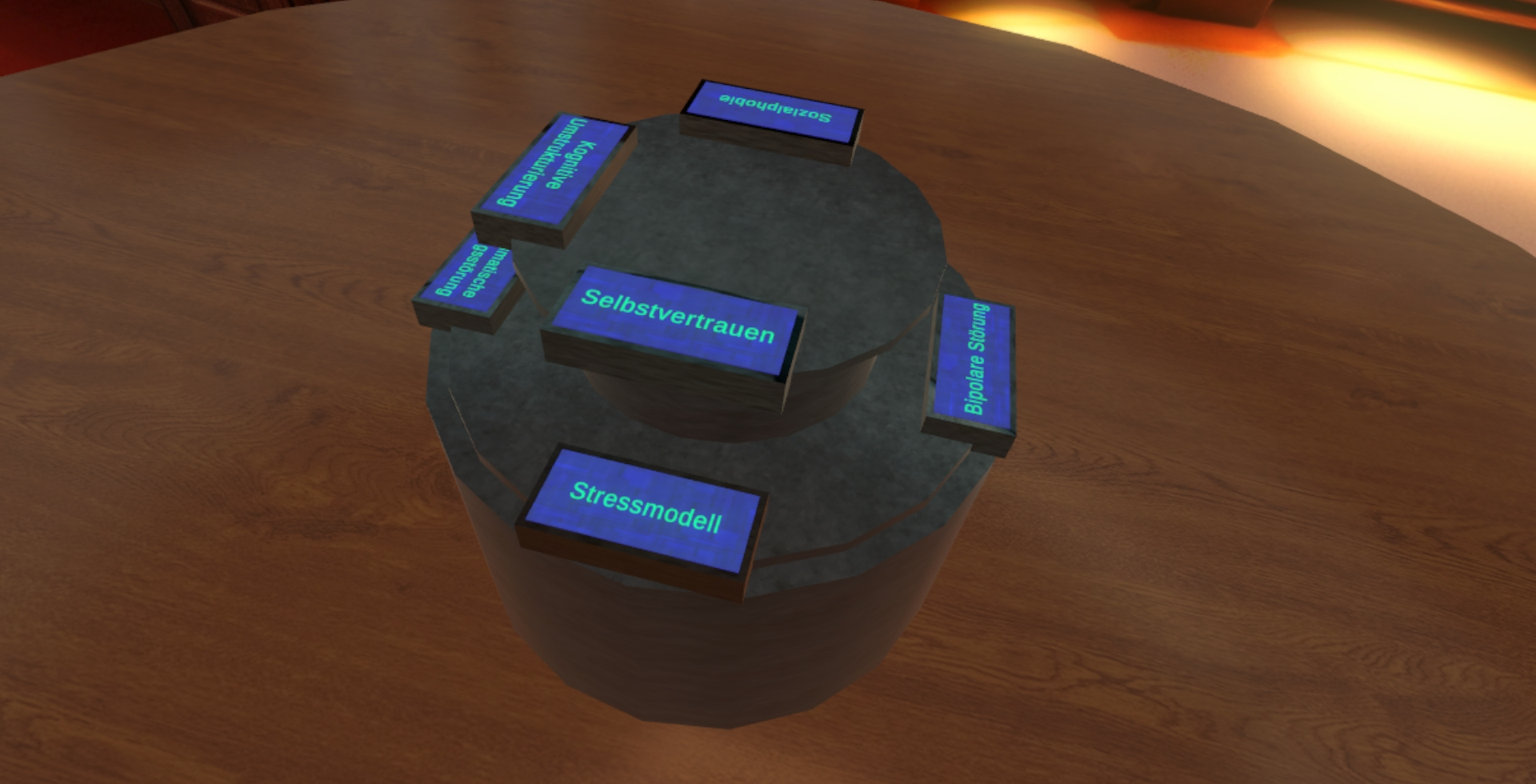
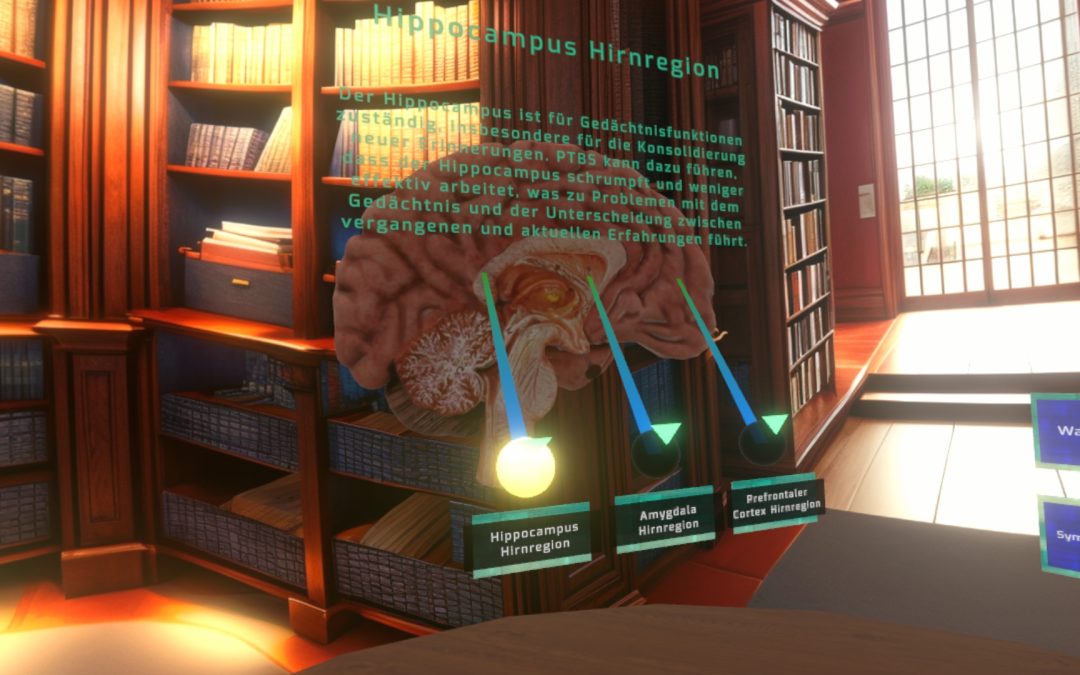
At PsyCurio, we therefore bring psychoeducation into a virtual environment. Users immerse themselves in a virtual world where they can not only read or hear about mental health conditions, but also experience and explore the content. This makes knowledge more tangible and easier to connect with personal experience. It can help people develop a deeper understanding of their own mental health.